
The Materials and Biomaterials Science and Engineering (MBSE) graduate group offers a multidisciplinary research and training program for doctoral and master-level students at the forefront of the modern revolutions in materials science technology.
We have organized our research into four emphases:
Materials for Sustainability
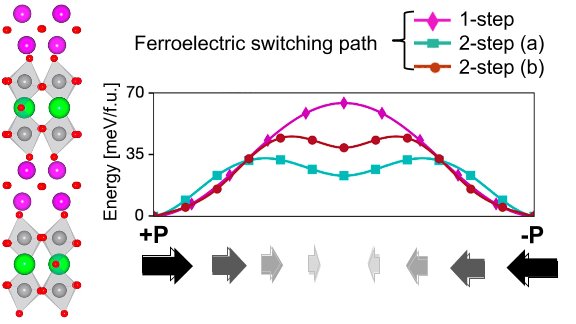
The Materials for Sustainability emphasis includes materials for energy harvesting, conversion, and storage with applications in catalysis, solar cells, batteries, and fuel cells.
- Hui Cai
- Jennifer D. Lee
- Min Hwan Lee
- Valerie Leppert
- Jennifer Lu
- Sarah Kurtz
- Yanbao Ma
- Elizabeth Nowadnick
- James Palko
- David Strubbe
- Christopher Viney
Materials for Biomedicine
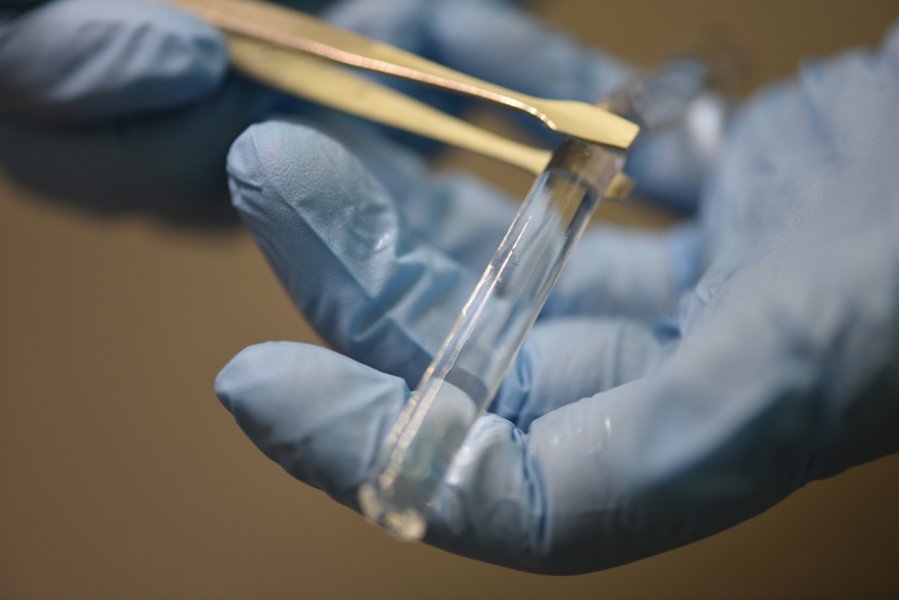
The Materials for Biomedicine emphasis includes mechanobiology, biomimicry, biomaterials and tissue engineering, drug delivery, microfabrication, and bioelectronics for sensing and monitoring.
- Roberto Andresen
- Eva de Alba
- Arvind Gopinath
- Ajay Gopinathan
- Linda Hirst
- Valerie Leppert
- Patti LiWang
- Bin Liu
- Jennifer Lu
- Kara McCloskey
- Andrea Merg
- Clarissa Nobile
- Aleksandr Noy
- Joel Spencer
- Christopher Viney
- Yue (Jessica) Wang
- Tao Ye
Electronic, Magnetic, and Optical Materials
Semiconductors for artificial intelligence and next-generation microelectronics, functional materials, quantum materials, flexible electronics
- Mehmet Baykara
- Hui Cai
- Jason Fang
- Sayantani Ghosh
- Elizabeth Nowadnick
- Michael Scheibner
- Jay Sharping
- David Strubbe
Surface Science
The study of surfaces and surface phenomena at the atomic and molecular level for friction, adhesion, catalysis, or corrosion.

Materials and Interfaces for Tailored Functionalities
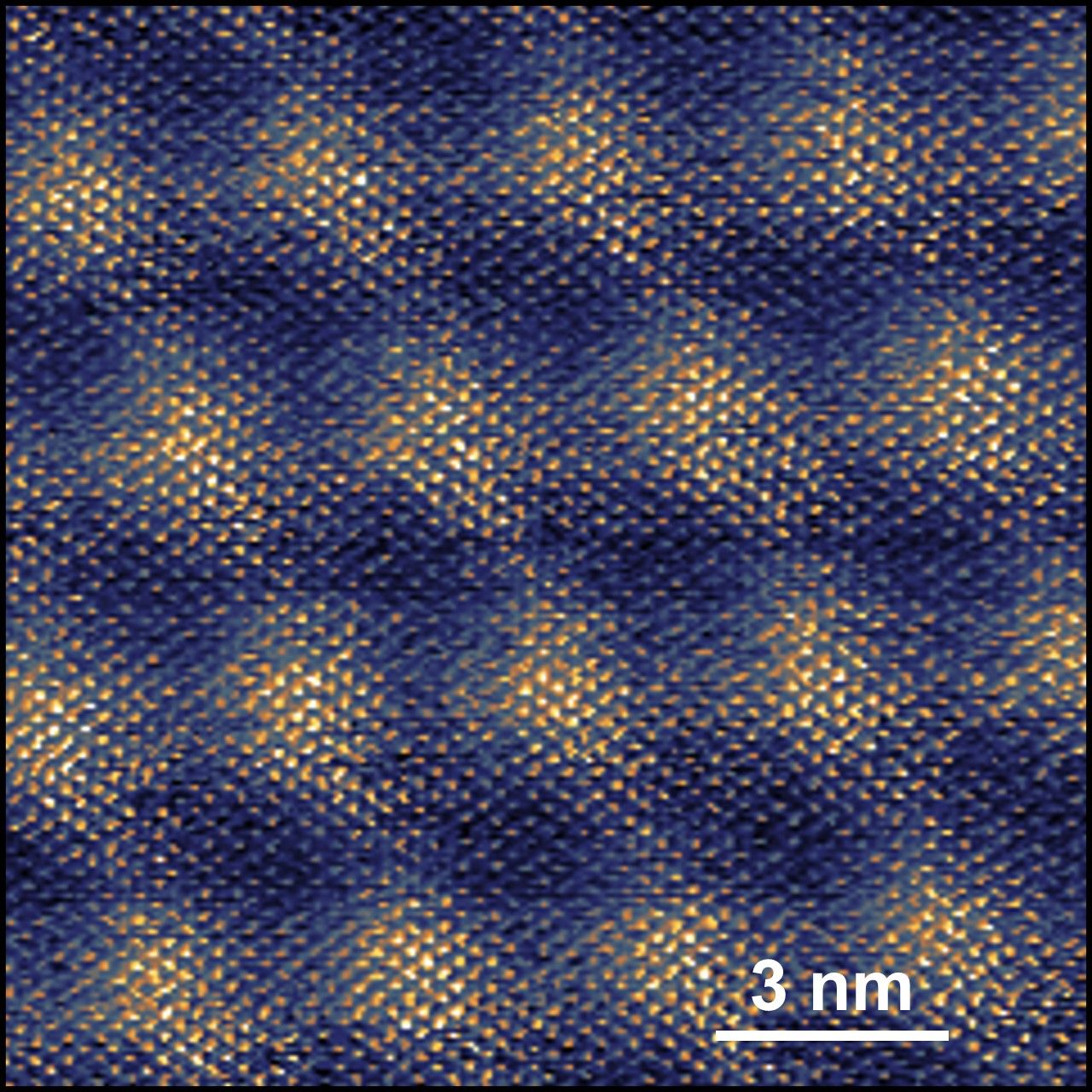
The Materials and Interfaces for Tailored Functionalities emphasis includes creating new organic and inorganic building blocks and corresponding material platforms for novel thermal, mechanical, optical, electronic, plasmonic and quantum behaviors in bulk or at interfaces to enable fundamental studies and technological advancements.
- Roberto Andresen
- Mehmet Baykara
- Hui Cai
- Edward Kolodka
- Mehmet Baykara
- Sayantani Ghosh
- Linda Hirst
- Jennifer D. Lee
- Valerie Leppert
- Min Hwan Lee
- Jennifer Lu
- Yanbao Ma
- Ashlie Martini
- Andrea Merg
- Elizabeth Nowadnick
- James Palko
- Michael Scheibner
- Jay Sharping
- David Strubbe
- Christopher Viney
- Yue (Jessica) Wang
